


Whoa! Okay, quick confession: I install wallets for a living. Really. I test the UX, poke at the security model, and then I try to break things just to see what hums and what sparks fly. My instinct said Rabby was worth a second look months ago when I saw its focus on multi-chain UX and transaction simulation. At first I thought it was just another shiny extension—meh—until the transaction simulation feature stopped me from sending a bad trade that would have cost me ugly gas. Wow.
Here’s the thing. Multi-chain isn’t just about supporting lots of chains. It’s about making cross-chain activity predictable and safe. Medium-sized sentence now. Longer thought: when you trade across many ecosystems and dodgy bridges, the surface area for errors explodes, so you want a wallet that gives you foresight—meaning, previews, and guardrails—before you hit “Confirm”.
Let’s get practical. Seriously? Yes. I’ll walk you through why Rabby matters for DeFi power users, how to install it, and where it still needs work. And I’ll be candid: I’m biased toward tools that save me from myself—somethin’ about instant gratification meets careful planning.
First, a short orientation. Rabby is a browser extension wallet focused on multi-chain usability, security, and transaction simulation. Short. Medium sentence: It supports many EVM chains and layers, and it tries to make transactions intelligible rather than magical. Longer thought: that matters because DeFi power users trade on dozens of chains and the mental overhead of remembering different gas tokens, varying fee models, and chain-specific contract quirks is a real time and capital sink.
Why multi-chain wallets like Rabby are different
On one hand, wallets like Metamask popularized the extension model, and on the other, users kept cobbling networks and scripts together to manage many chains. Initially I thought adding networks manually was tolerable, but then I had to approve a token approval on the wrong chain. Oof. That cost me time and nerve.
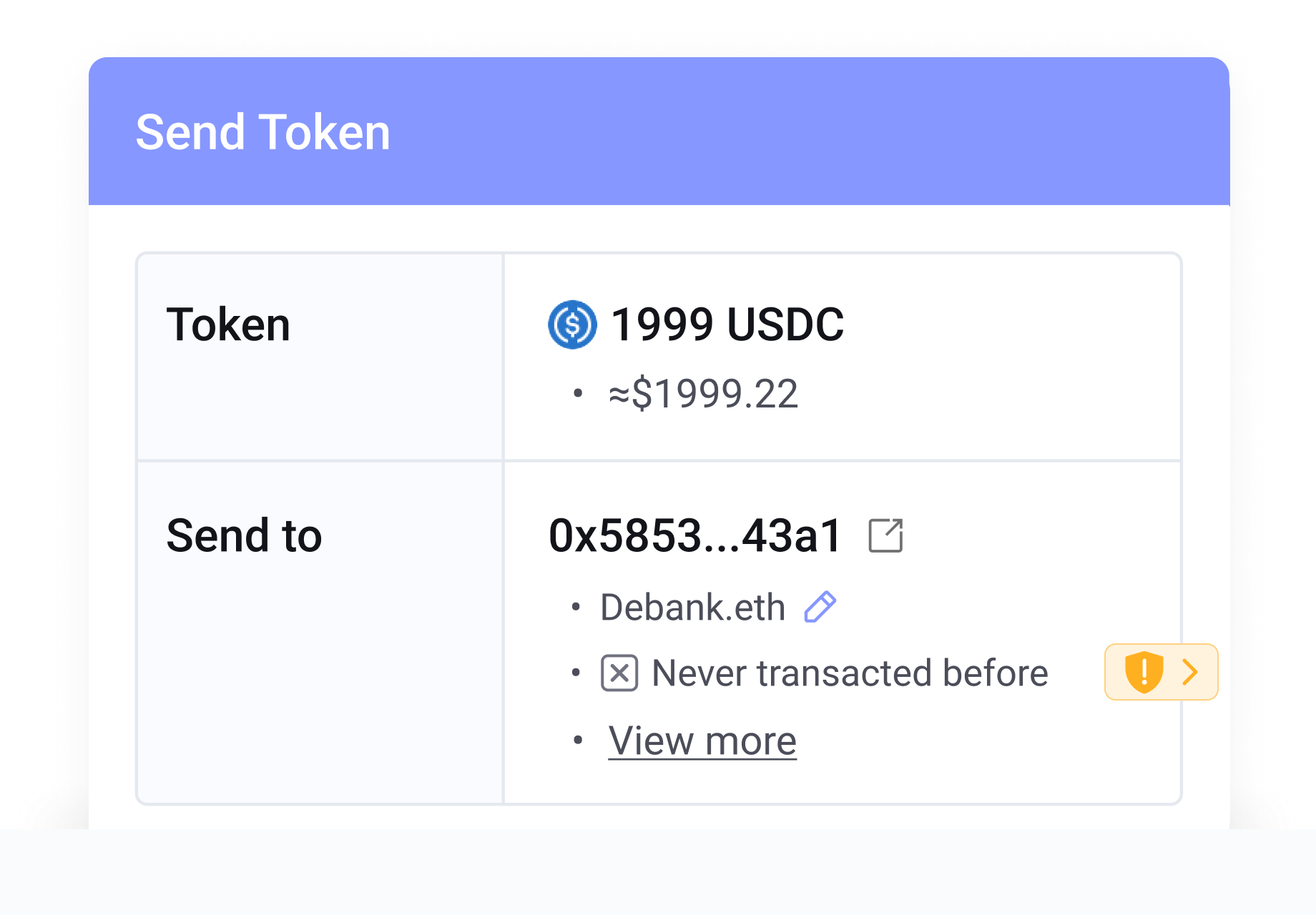
Rabby tries to stitch that gap by offering clearer chain context and transaction simulation. Hmm… my reaction when I first saw the simulation was basically: “Finally.” Medium sentence: It parses transactions, checks expected token flows, and warns about slippage or missing approvals. Longer: because it simulates the on-chain execution with heuristics and contract call parsing, it can highlight odd transfers (like token dust recipients or extra approvals) before you confirm, which reduces the risk of user error and phishing contract tricks.
Some things it nails: wallet isolation for accounts (less accidental cross-account approval), visual transaction diffs, and easier management of multiple hardware wallets. Other stuff? It could improve its onboarding flow for non-technical users. I’m not 100% sure that every new user will grok “transaction simulation” without a little nudge—oh, and by the way, that UI tooltip could use a better example.
Step-by-step: rabby install (extension)
Okay, so check this out—installing the Rabby extension is straightforward. Short. Medium: Go to the browser extension store (Chrome/Edge) or download from a trusted source, add the extension, and follow the prompts to create or import a wallet. Longer thought: make sure you verify the extension’s publisher and signature, and never install from a random mirrored page; phishing clones exist and look alarmingly close to the original.
Pro tip: use a hardware wallet in tandem if you’re moving significant funds. Seriously. The extension acts as a coordinator and the hardware device signs, which reduces exposure. Also, keep an eye on permission requests. The extension asks for standard powers; my rule of thumb is to deny anything that wants persistent access to all sites unless you explicitly need it.
For convenience, here’s where I usually tell people to start: read the project notes and download from the official page. The natural place to check is the project’s landing or documentation. If you want to read more about Rabby itself, check this resource: https://sites.google.com/cryptowalletextensionus.com/rabby-wallet/. Keep that tab open while you set up; handy for copy-paste items or troubleshooting.
Using transaction simulation to avoid dumb mistakes
Short. My gut feeling is that simulation is the feature that differentiates Rabby for power users. Medium: Instead of blindly sending a tx and hoping the mempool gods smile on you, Rabby shows an expected outcome: token in, token out, approvals triggered, and gas estimate. Longer: this is powerful because many exploits and user losses come from blind approvals (approve everything forever) or confusing contract interactions where additional token transfers happen that you didn’t anticipate.
When I tested it, the simulation flagged a swap where a router was set to route an extra tiny token to a third address. Hmm—someone could call that dusting but it’s often a preparatory step for siphoning. I blocked the tx, investigated the contract, and avoided a $200 loss. That kind of save becomes addictive: you start trusting simulations, but not blindly—always cross-check on block explorers if something smells off.
Security posture and real-world tradeoffs
Here’s what bugs me about many wallets: they assume users know the contract-level risks. They don’t. Medium: Rabby helps by surfacing those contract-level details, but no simulation is perfect. Longer thought: simulations rely on heuristics and historical call patterns, and clever attackers can craft on-chain behaviors to evade naive detection, so Rabby is a strong aid but not an absolute protector.
For high-risk operations, I still use a hardware wallet + ephemeral accounts pattern. Short. Medium: Create small operational accounts for day-to-day trades and keep the bulk of funds in a deep-cold store. Also, use permit patterns and ERC-20 allowances carefully—revoke approvals where reasonable. Longer: the multi-chain nature of DeFi means you’ll sometimes need to balance operational convenience (fast trades, bridge hops) against long-term security, and a wallet like Rabby lets you make those tradeoffs consciously rather than by accident.
One more practical tip: enable notifications and logs where possible. If you get an out-of-band alert about a pending approval you didn’t initiate, treat it like a red flag. I’m biased toward proactivity—alerts saved me more than once.
UX, performance, and multi-chain quirks
UX matters. Short. Medium: Rabby aims to reduce cognitive load by showing chain context and “what this tx will do” summaries. Longer: that becomes essential when you jump between chains with different base fee models, or when gas tokens differ—one wrong chain selection and you could be attempting to pay fees with the wrong asset.
It isn’t perfect. Sometimes network switching is slower than I expect, or an imported RPC endpoint behaves oddly and needs a wipe-and-reimport. Also, while Rabby supports many chains, there will always be new L2s and custom chains that need special handling. Somethin’ to keep in mind: check RPC reliability and use public trusted endpoints or your own nodes if you can.
FAQ
Is Rabby safer than Metamask?
Short answer: Not strictly “safer” in an absolute sense, but it’s designed for different ergonomics. Medium: Rabby adds transaction simulation and clearer multi-account management which can reduce user error. Longer: the underlying security still depends on your practices—hardware wallets, cautious approvals, and using trusted RPCs make a bigger difference than any single extension feature.
Can I use Rabby with a hardware wallet?
Yes. Short. Medium: It supports hardware devices for signing, which is basically mandatory for large balances. Longer: Pairing Rabby with hardware reduces the attack surface because signatures happen offline, while the extension only coordinates—still, always verify the signing prompt on the device itself.
Does transaction simulation guarantee safety?
Nope. Short. Medium: Simulation lowers risk by revealing likely outcomes, but it’s heuristic-based. Longer: Think of it like a guardrail, not a steel vault; use it to catch obvious errors and suspicious flows, but combine it with manual contract audits or third-party verifications for very large trades.
