


Whoa, this surprised me. I remember opening my wallet after a long weekend and seeing trades I didn’t expect. My instinct said something felt off about the ordering and gas spikes. Hmm… seriously, that gut feeling turned out to be correct. It’s the kind of thing that makes you rethink how you manage on-chain activity.
Okay, so check this out—wallets used to be simple key managers. They still are, though now they have to juggle three things at once: portfolio clarity, MEV defense, and safe smart contract interactions. These are related, but they also clash in subtle ways that can make DeFi feel like a maze. Initially I thought better UI alone would solve the confusion, but then I realized the root problems are deeper: transaction simulation gaps, ambiguous approval scopes, and front-running vulnerabilities. On one hand you want fast trades; on the other hand you want certainty that nothing sneaky is happening in the mempool.
Here’s the thing. Portfolio tracking gives you the macro view. It tells you what you hold, how positions move, and where your risk exposure sits. But it’s often divorced from the micro-level where transactions are signed and executed, and that disconnect is dangerous. If you can’t simulate what a swap or a contract call will actually do, you’re flying blind—especially when things get volatile. So I started looking for tools that bring the macro and micro together, and that hunt down edge-case failures before you sign.
Seriously? this is where MEV comes in. MEV—miner/maximum extractable value—eats little gains and sometimes big ones. My first run-in was feisty: I was trying to arbitrage a spread and watched bots sandwich my tx while gas tripled. It felt personal. The market was efficient, but the mempool was savage. On the bright side, that taught me to respect transaction simulation and prioritized relays; I started preferring routes that either protected against sandwich attacks or submitted through private relays.
At the same time, smart contract interaction remains the scariest frontier. Approving unlimited allowances, calling an unfamiliar contract, or signing a permit without a preview feels like handing over your keys. I’m biased, but that part bugs me more than price volatility. I once approved a token for “infinite” use because the dapp UX hid the specifics—very very important lesson learned. After that I treated every approval like a legal document; I simulated every call where possible.
How the three pieces fit together
Short answer: they’re interconnected. Portfolio tracking without simulation is just reporting. Simulation without MEV awareness is incomplete. And MEV defense without clear UX is unusable for most people. Initially I assumed a single feature could fix user risk, but actually the product has to orchestrate several layers. You need clear balances, per-asset profit/loss, pending transaction previews, mempool-aware simulations, and execution paths that can avoid or mitigate MEV.
My working setup now combines a few habits and one reliable wallet. I routinely run transactions through a local simulation to see state changes and slippage. I also look for options to route through private relays or use protection modes that reorder or delay execution to avoid sandwiching. Sometimes I cancel and redo a trade if the simulation shows an attacker-friendly window. It’s annoying, sure, but that extra 30 seconds often saves a percentage point—or more.
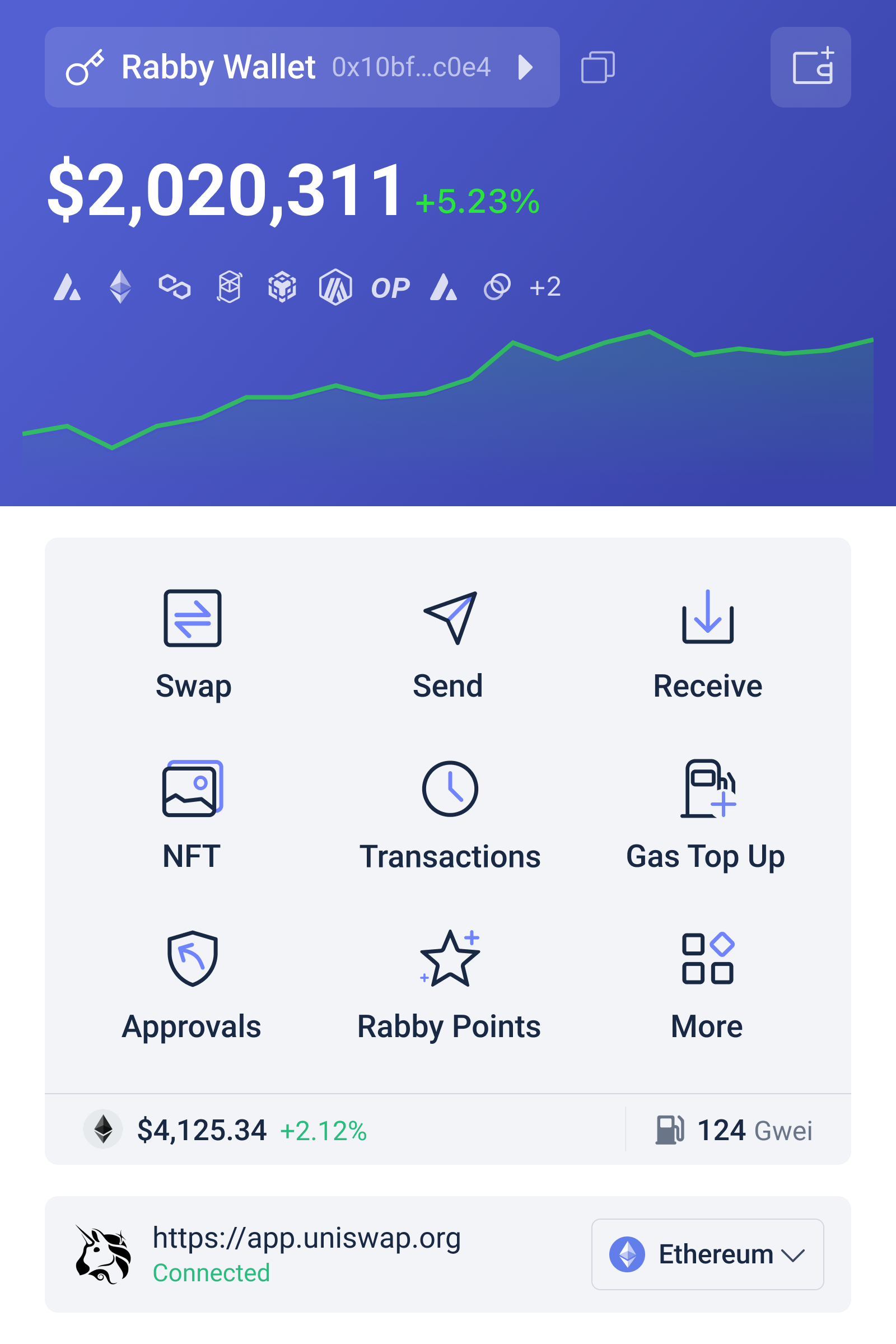
Okay, small confession here: I started using a tool that ties these together—portfolio views, transaction simulation, and MEV-aware routing—and it changed my workflow. The wallet surfaces approvals so I can edit allowance scopes before signing. It shows how a swap affects portfolio allocations in real time. It gives a warning when a transaction is likely to be frontrun. That combination turned everyday DeFi from gamble to routine. If you want something that balances UX with safety, check out rabby—their approach to simulation and approvals helped me avoid a handful of messy moments.
On a technical level, here’s what matters. Transaction simulation needs deterministic state replication and access to pending mempool info to be useful, and a good wallet will display both the state diff and the token-level impact in human-friendly language. MEV protection requires either submission through private relays, bundled transactions, or protocols that let you outsmart sandwichers by adjusting ordering guarantees. Contract interaction safety is largely about permission scoping, clear calldata previews, and reversible approvals when possible. Putting these together reduces surprises.
Hmm… I should clarify some trade-offs. Private relays can reduce MEV risk but might centralize trust somewhat. Simulations depend on accurate node state and gas modeling, which can fail in flash crashes. And limiting allowances too strictly can break UX in some dapps that expect infinite approvals for performance reasons. On balance though, the benefits outweigh the annoyances for most DeFi users. I’m not 100% sure about every edge case, and there’s always new attacker creativity, but these layers help a lot.
On the behavioral side, portfolio tracking changes decision friction. When you see how a swap rebalances your entire holdings, you think twice. When a wallet shows a potential MEV alert, you either delay or choose a safer execution path. Those moments are tiny cognitive interventions, but they compound. They help people avoid reactive mistakes during high volatility—when instinct often lies and the market punishes impulsivity.
Something felt off early in my DeFi journey: there was a gap between knowledge and action. I knew what to do, but the tools didn’t make it easy. Now some wallets close that gap by making simulation first-class, surfacing approvals like legal clauses, and integrating MEV-aware routing without requiring PhD-level understanding. The user doesn’t need to be an expert to avoid classic traps. That’s the future I want—tools that act like guardrails, not handcuffs.
FAQ
How do I start protecting my portfolio against MEV?
Start simple: enable transaction simulation and review mempool warnings before signing, prefer relays or protection modes when available, and be cautious with gas price bidding. Practice on smaller amounts until you trust the flow. Also, avoid predictable order sizes that bots can easily sandwich.
Can smart contract interactions be made safer without losing convenience?
Yes, but it requires trade-offs—wallets that let you set allowance limits, preview calldata, and revert approvals help a lot. Use simulation to see the exact effects, and accept a slightly slower UX in exchange for far fewer catastrophic mistakes. Oh, and revoke unused allowances periodically.
