


Whoa! I got obsessed with how wallets plug into dApps. At first it felt like magic, then a little fragile. Initially I thought all wallets were interchangeable, but then realized integration nuances, UX details, and permission models change the whole user story in ways that matter a lot. Really, we don’t give enough credit to permission granularity.
Hmm… dApps expect wallets to behave like a cooperative player. They ask for approvals, signatures, and sometimes sensitive data. Permission dialogs that are vague create attacks. On one hand a seamless UX requires persistent permissions and pre-signed approvals to reduce friction, though actually those conveniences can create systemic risk if not paired with clear simulations and rollback possibilities built into the wallet. My instinct said simpler flows win, but analytics say otherwise.
Whoa! Transaction simulation changes everything for power users and cautious newcomers alike. It surfaces gas estimations, state changes, and front-running risks before sending. Actually, wait—let me rephrase that… True simulation models show contract state shifts, token flows across multiple calls, and reveal failure vectors that a naive signer would never see until funds were gone. Initially I thought simulation was only about gas estimation, but then I realized how much more it can prevent.
Seriously? Portfolio views have matured fast, offering token breakdowns, PnL, and cross-chain balances. Users crave clarity on holdings across L1 and L2. Aggregation is convenient but tricky. On one hand a unified portfolio reduces cognitive load and increases trust, though on the other hand aggregating across chains requires careful privacy trade-offs and thoughtful user permissions to avoid overexposure. I’m biased toward clarity, even if the backend gets messy.
Ah. Hardware signing, approvals, and transaction simulation should work together. Approval UI needs to be readable, context-aware, and resistant to spoofing. Mobile and extension flows must match mental models. For example invasive approvals that grant unlimited allowance to a contract might be convenient for traders, but a wallet that flags, simulates, and suggests safer scoped approvals prevents common exploits and greatly reduces social engineering attack surfaces. This part bugs me when wallets hide details under terse labels.
How a modern wallet can actually help
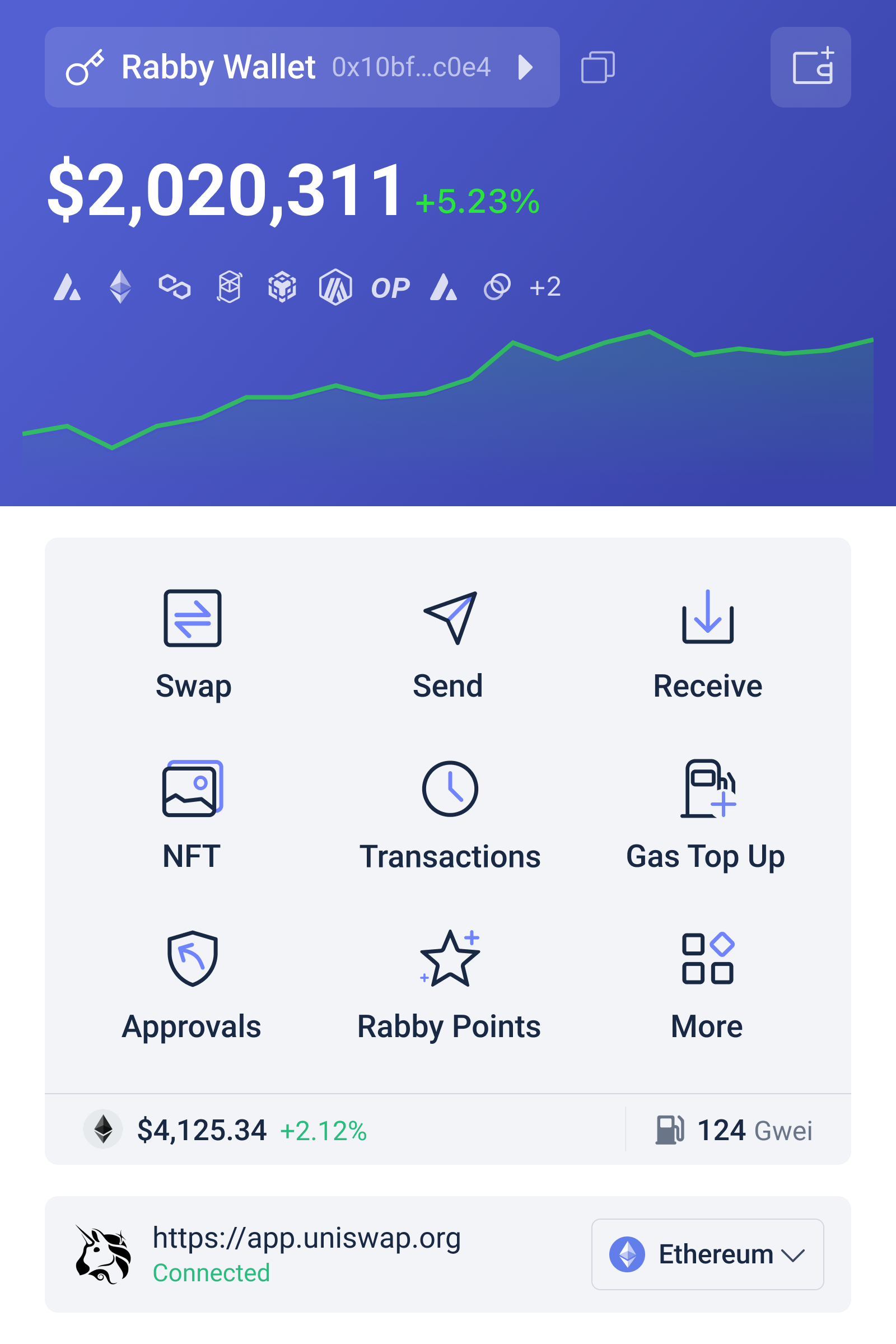
Okay. One wallet that took these threads seriously is rabby wallet. It brings transaction simulation, granular approvals, and portfolio insights together. Initially I thought it was just another extension, but after using it for a month across swaps, NFT interactions, and contract calls, I noticed fewer surprise failures and better prompts that made me rethink my signing habits. I’m not paid to say this — I’m just passing on what I saw.
Hmm. For dApp developers the integration surface keeps expanding. There are connectors, RPC multiplexers, and new wallet APIs. Building resilient integrations means testing with imperfect networks and multiple wallet behaviors. On one hand standardization helps developers ship faster, though actually the diversity of wallets means developers still need to code for edge cases, provide optional simulation endpoints, and include graceful fallbacks for permission refusals. The best dApps offer both raw signatures and delegated flows.
Wow! Onboarding is the secret battleground where trust and habit lock in. A wallet that explains trade-offs reduces help desk tickets. Microcopy, clear examples, and inline simulations cut confusion. For new users, small nudges — like showing potential gas ranges, simulating failed calls, or explaining allowance implications — change behavior and reduce scams over time, even though those nudges add initial friction they pay off in user retention and safety. Somethin’ about plain language and microcopy wins every time.
Uh-huh. Batching and meta-transactions feel like power tools. Gas tokens, relayers, and paymasters change cost models. Abstraction can hide important attribution. My instinct said abstracting gas is user-friendly, but deeper thought shows you must preserve accountability and transparency to prevent off-chain relayer abuse and hidden costs that confuse users months later. Designers should surface payer identity and fee breakdowns plainly.
Yikes. Cross-chain portfolio tracking risks leaking intent. Wallets collect metadata by necessity sometimes. Default telemetry choices matter. On one hand analytics enable fraud detection and personalized UX, though actually they can also create profiling risks that require strong local-first storage, opt-in telemetry, and transparent controls for users who don’t want their every swap correlated across services. I recommended privacy defaults in almost every product I’ve seen.
Listen. If you build a dApp test flows with multiple wallets. Simulate criss-cross chain state changes and edge fail paths. Unit tests are necessary but not sufficient. Initially I thought unit tests suffice, but then I realized manual exploratory testing with real wallets, hardware devices, and mocked relayers reveals UX friction and security blind spots that unit tests never catch. Also document recommended permissions and offer safe defaults by default.
I’m biased. Wallets that treat users like adults win in the long run. They combine simulation, clear approvals, and good UX. On one hand the space prizes novelty and speed, though actually the projects that outlast hype focus on predictable safety nets, developer ergonomics, and honest defaults that respect both novice and power users—those are the ones that scale responsibly across chains and time. So yeah, be skeptical, experiment, and favor wallets that force you to think before signing; somethin’ as simple as a simulation panel saved me from an expensive mistake, and that feeling of relief is worth more than a slick badge or a quick signup…
FAQ
What should a good dApp expect from a wallet?
A clear permission model, transaction simulation, and readable approvals. Also predictable behavior during edge cases and graceful fallback UI when permissions are denied. Test with at least three wallet types and one hardware signer.
How do I pick a wallet that balances convenience and safety?
Look for granular approval controls, visible transaction simulation, and a portfolio view that doesn’t leak you other accounts. Prefer wallets that are transparent about telemetry and that encourage safe defaults. I’m not 100% sure of the perfect checklist, but these items separate the better products from the rest.
